Our modern yoga practice has never existed in a vacuum. It has learned from the cultures and movement practices around it.
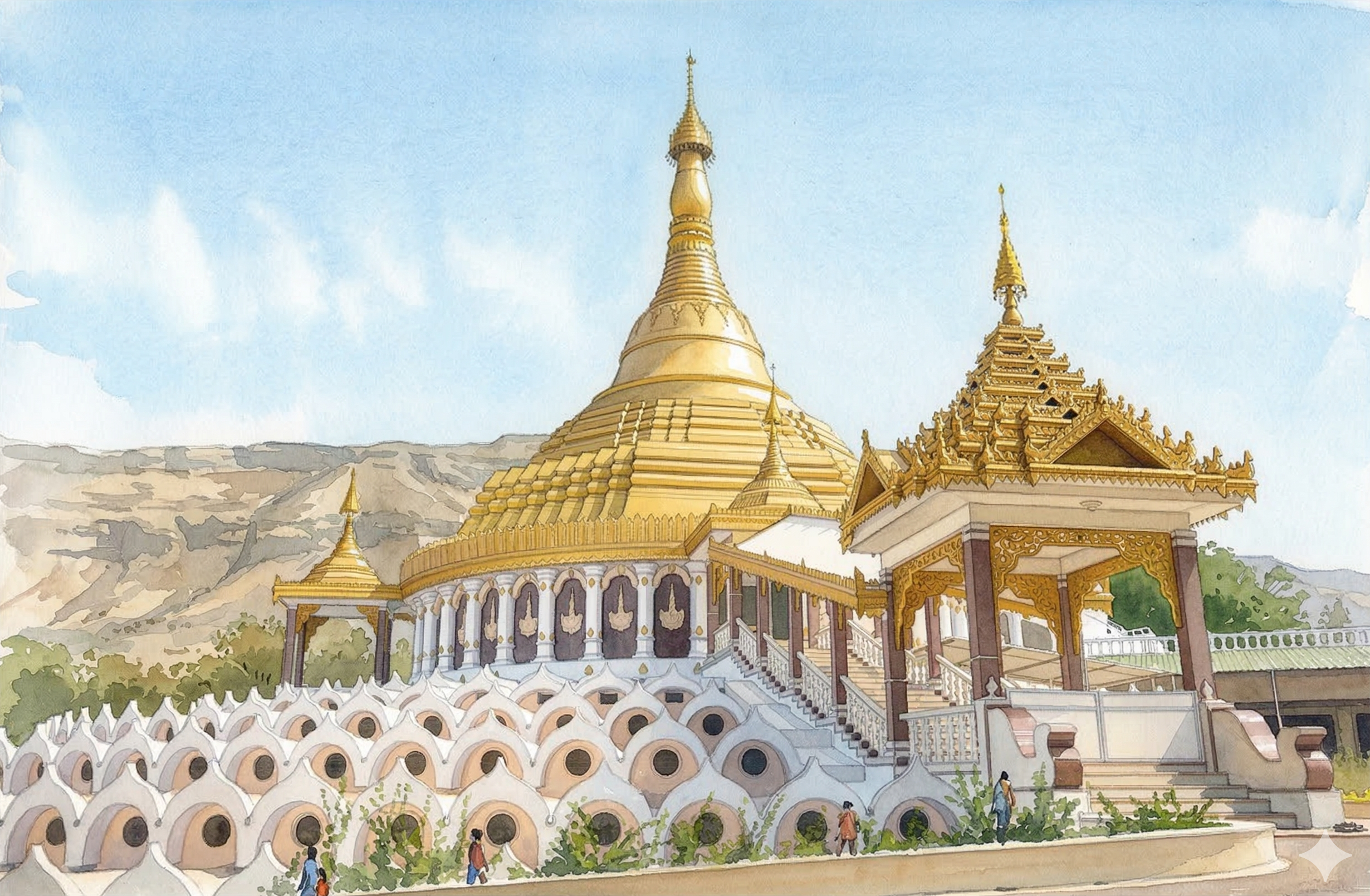
One important chapter in that story unfolded at the Mysore Palace in the early twentieth century. There, Tirumalai Krishnamacharya developed a dynamic approach to yoga that brought older yogic practices into conversation with a growing interest in physical education, wrestling, gymnastics and other forms of physical culture.
The result helped shape much of the movement-based yoga we recognise today.
Beautiful Strength
The word calisthenics comes from the ancient Greek words kállos, meaning “beauty”, and sthénos, meaning “strength”.
Its modern forms were shaped by systems of gymnastics and physical training that developed across Europe in the nineteenth century. At its simplest, calisthenics teaches us to develop strength and control using our own bodyweight.
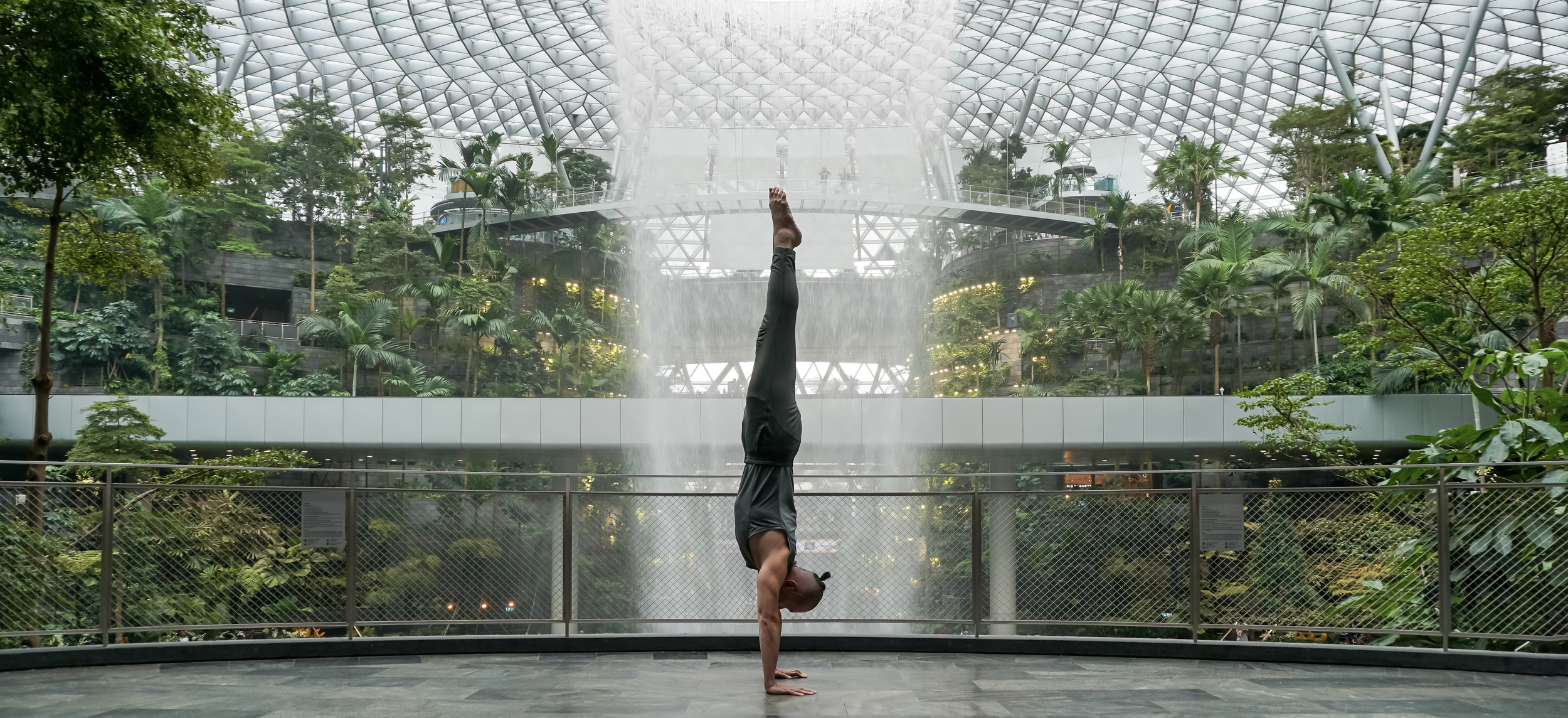
Push-ups, pull-ups, hanging, handstands and balances all ask a similar question:
How well can we move, control and support our own body?
This is where calisthenics becomes particularly interesting for a yoga practitioner.
In yoga, we spend a great deal of time entering, maintaining and exiting poses. But a pose is never really static. It exists in time (kāla), unfolds through a sequence (krama), and is always subject to change (pariṇāma).
The pose is therefore not simply a shape we arrive at. It is a process we experience.
Calisthenics asks us to look at that process from another angle.
Rather than seeing an arm balance simply as a pose we can or cannot do, we can ask:
What physical abilities make this pose possible?
Where yoga often teaches the pose through practising the pose, calisthenics invites us to decompose it — to break a complex movement into the individual qualities that support it.
An arm balance, for example, becomes a combination of strength, balance, coordination, mobility and the ability to shift and support our weight.
And each of these qualities can be trained.
From poses to skills
Perhaps the most useful idea calisthenics can bring to yoga is progression.
You don't begin by attempting the hardest movement. You build the ingredients first.
A difficult movement is broken into simpler drills. Strength develops gradually. Technique improves. The nervous system becomes familiar with supporting the body in unfamiliar positions.
Over time, something that once felt impossible begins to feel possible.
This changes the question from:
Can I do this pose?
to:
What do I need to develop to make this pose possible?
The pose becomes something we can investigate, understand and gradually learn.
Strength can be yoga too
When we think about yoga, we often think about flexibility. And if left unchecked, our physical practice can easily drift towards pursuing ever more extreme ranges of motion.
But yoga has always ever been concerned with balance.
Strength is another quality we can explore on the mat — not in opposition to flexibility, but alongside it.
None of this means turning yoga into a workout.
When we learn to support our own weight, we are also learning attention, patience and steadiness. We discover where effort is necessary and where it is wasted. We learn to remain present when something feels difficult or uncertain.
Those qualities should sound familiar to anyone who practises yoga.
Perhaps yoga and calisthenics aren't such distant relatives after all.
Built to Balance
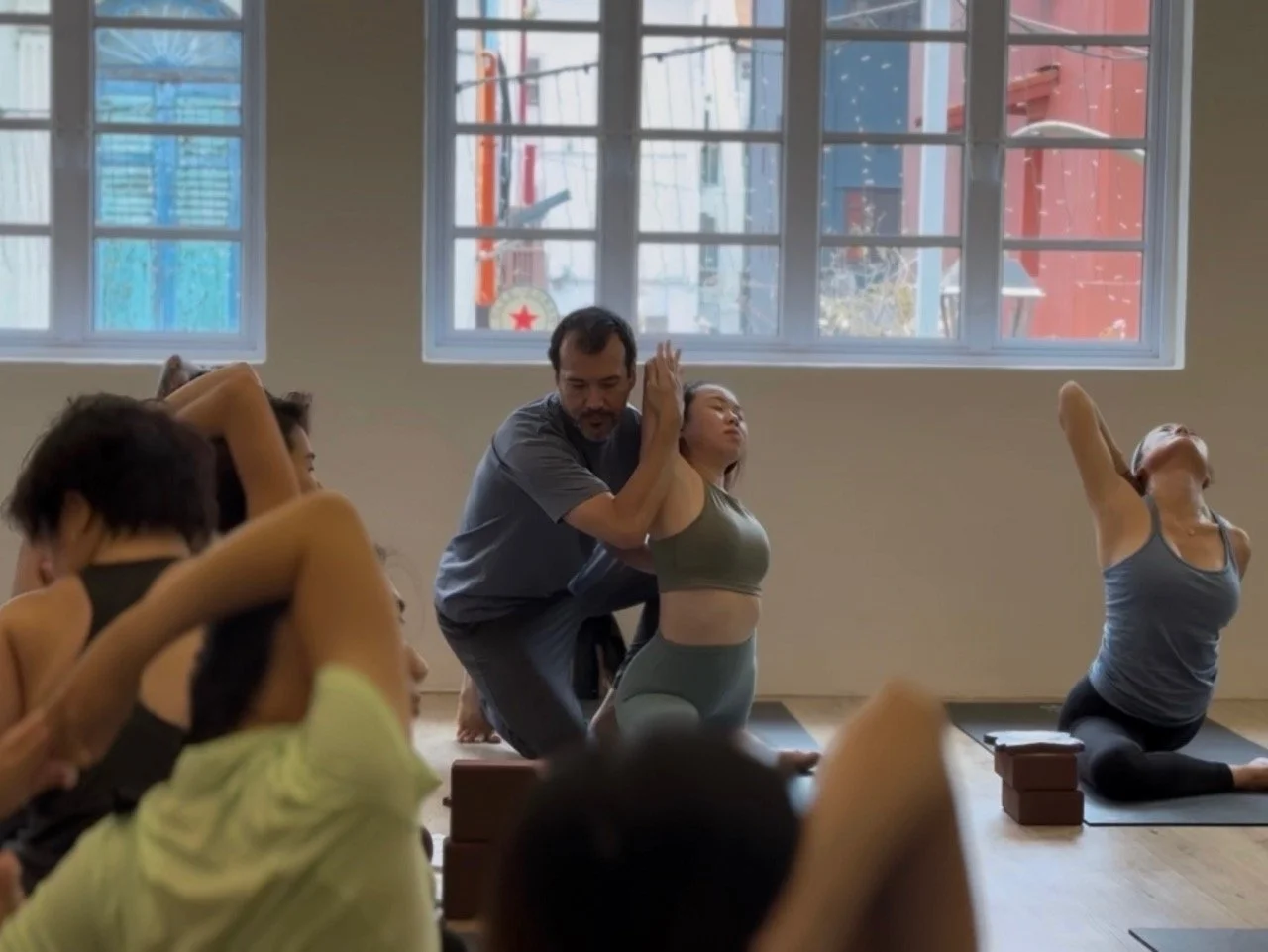
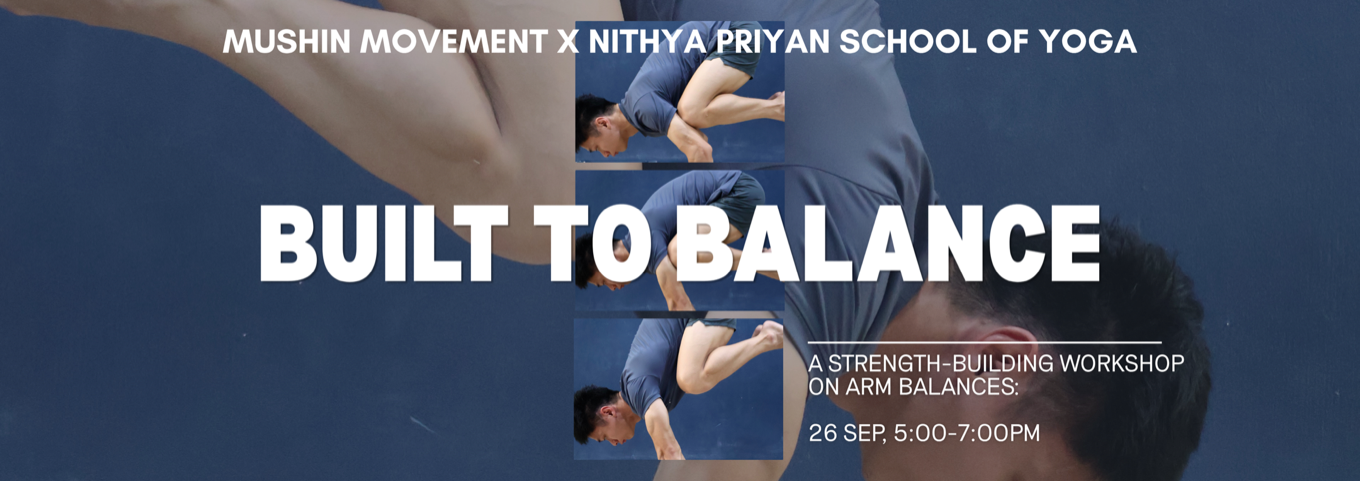
Built to Balance is a two-hour workshop with special guest teacher Zhiqian from Mushin Movement exploring how calisthenics principles can help us understand and develop yoga arm balances.
Rather than simply attempting poses, we’ll break them down and look at the strength, stability, coordination and weight transfer that make them possible.
You’ll work with progressive exercises that meet you where you are and give you practical ways to continue building strength in your own practice.
You don’t need to be able to do an arm balance already, just come curious about what your body can learn.
Saturday 26 September
Learn more and book Built to Balance
Further reading
Mark Singleton, Yoga Body: The Origins of Modern Posture Practice
Wellcome Collection, “Yoga adapts to time and place”
Jerome Armstrong, “Uncovering Vyāyāma in Yoga”